
PPOY - Say What?
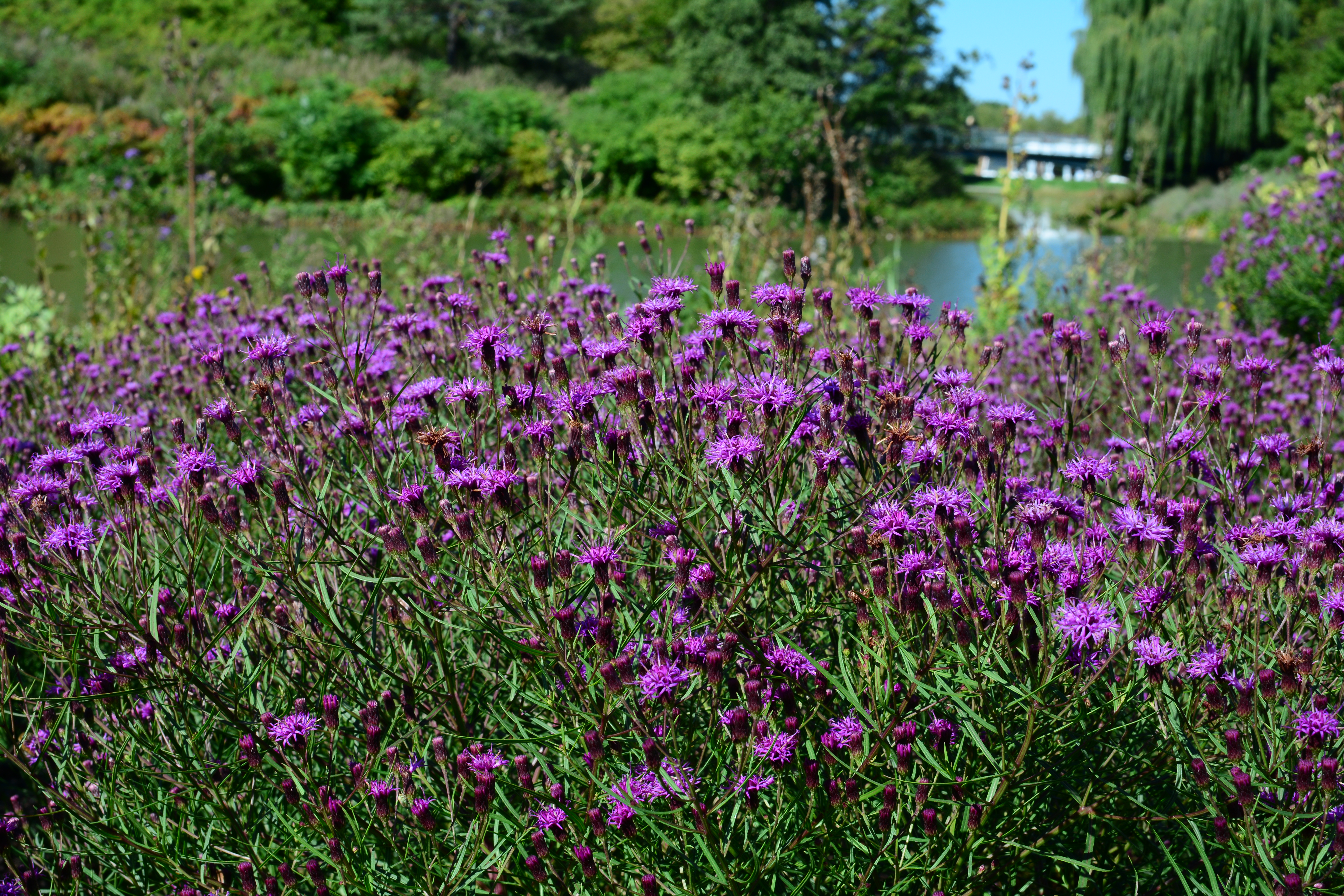
A perennial from the Chicagoland Grows® Collection has been selected as the 2027 Perennial Plant of the Year® by the Perennial Plant Association. Each summer, Perennial Plant Association members—horticulture professionals representing a broad range of expertise—vote to recognize one exceptional perennial for this annual honor.
For 2027, the distinction goes to Vernonia ‘Summer’s Swan Song’, bred by Dr. Jim Ault, retired plant breeder at the Chicago Botanic Garden.
This recognition highlights a durable, refined selection with outstanding late-season garden performance.
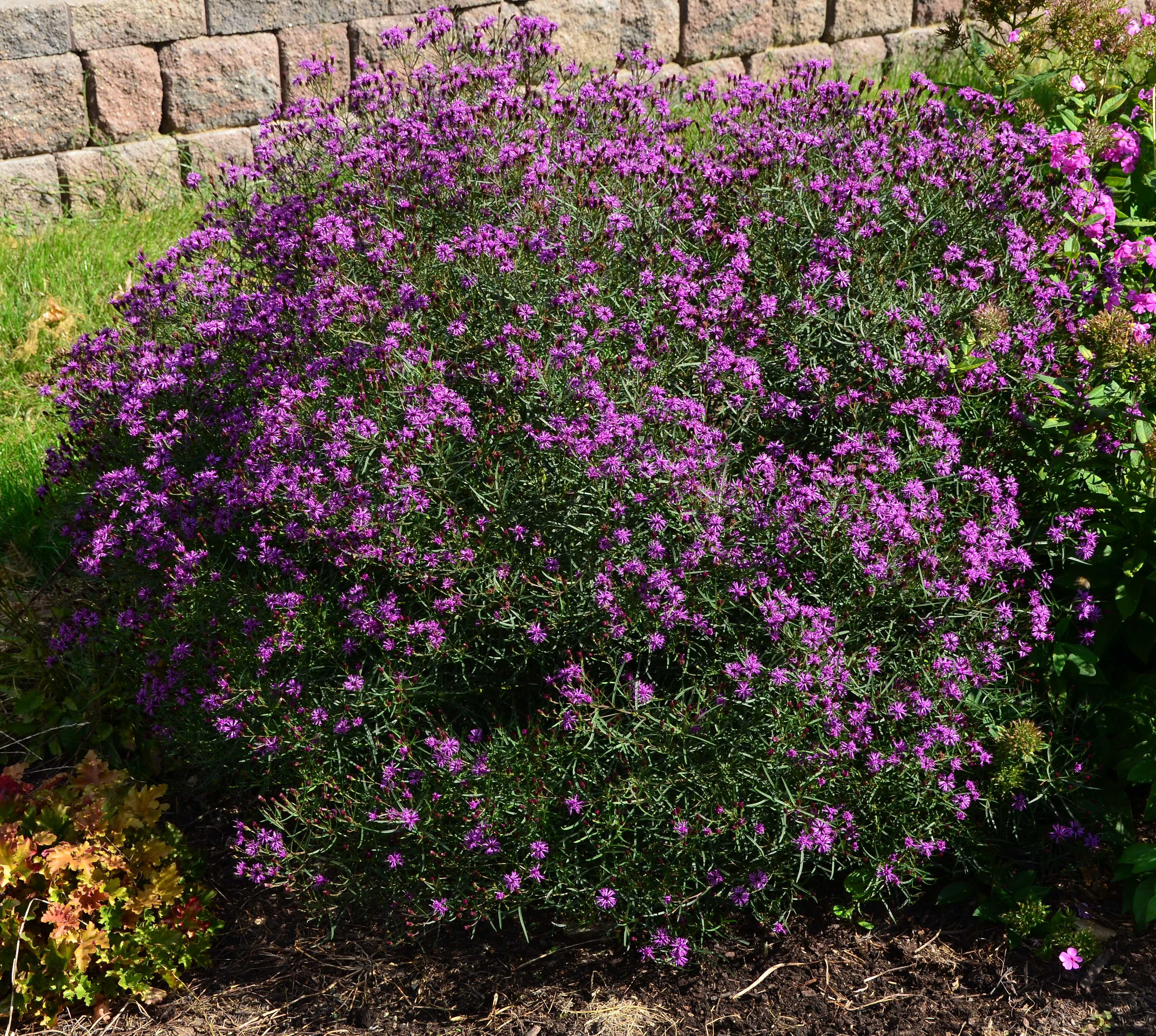
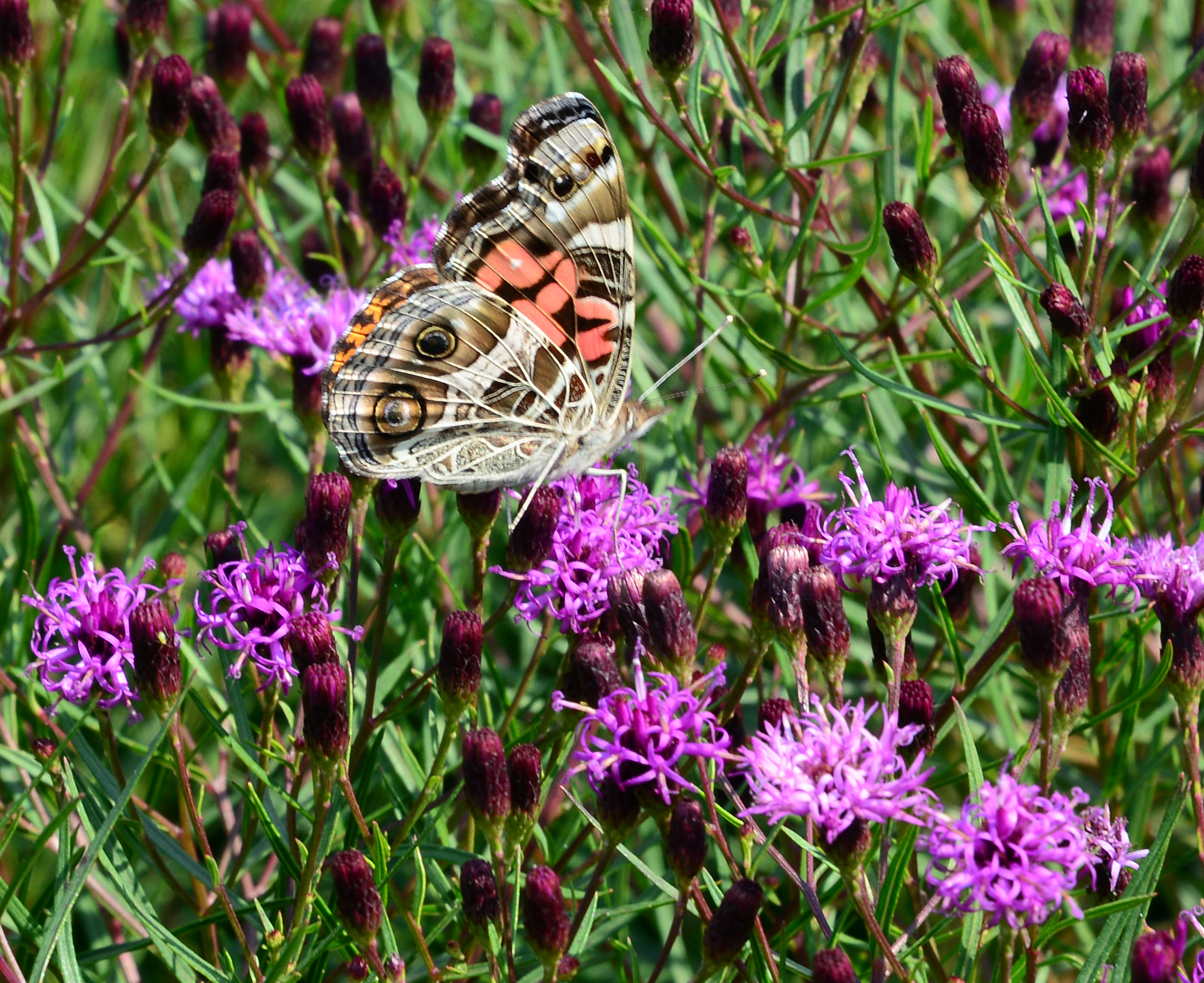
‘Summer’s Swan Song’ is a late-summer prairie perennial hardy in USDA Zones 4 to 9, producing abundant deep purple flowers that support pollinators for approximately six weeks. Unlike many ironweeds, it maintains a compact, well-behaved habit. This cross between V. lettermannii and V. angustifolia ‘Plum Peachy’ forms a tight clump about three feet tall and wide, with dark stems that hold flowers upright above fine, olive-green foliage.
Adaptable and reliable, it performs across a broad range—from the Gulf Coast to Quebec, and west to northern Washington and British Columbia. It tolerates drought and most soils except pure sand, shows strong resistance to mildew and rust, and requires only a late-winter or early-spring cutback.
The following Licensed Growers have liners available:
-
Blooming Nursery
-
Hortech, Inc.
-
Stonehouse Nursery
-
Twixwood Nursery
Learn more about the 2027 Perennial Plant of the Year HERE.
Late Bloomers to Watch
Vitex Summertime Blues®: Hardy to Zone 5
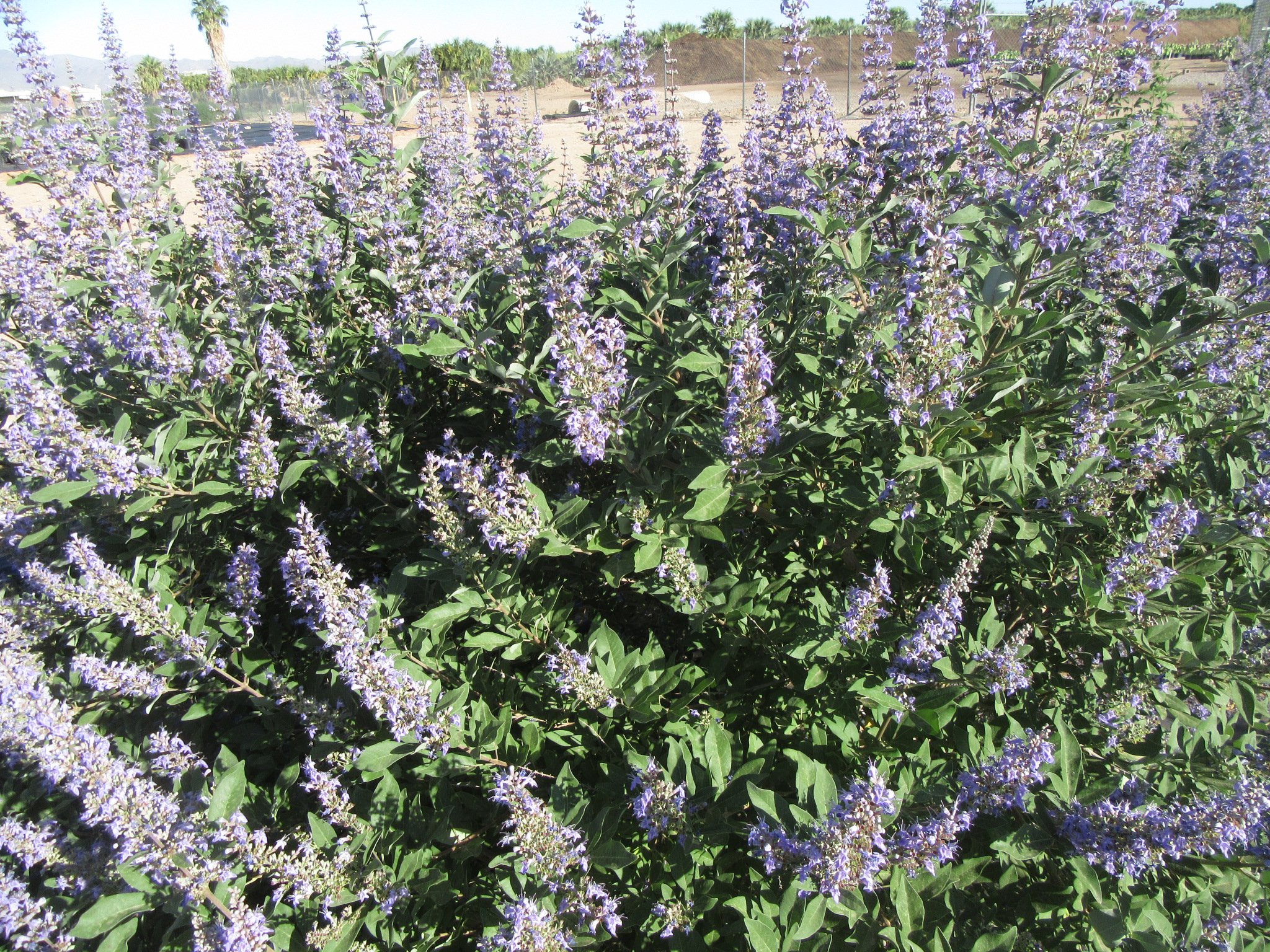
Vitex agnus-castus, commonly known as chaste tree, is typically grown as a small flowering tree in Zone 7 and warmer. Seeking a vitex suited to Chicago-area gardens, Kris Jarantoski, former VP of Horticulture at the Chicago Botanic Garden, crossed V. agnus-castus with V. rotundifolia and selected a sterile hybrid capable of dying back, regrowing, and flowering each season. In warmer climates, Summertime Blues performs as a small flowering tree; in colder regions, it functions as a 5- to 6-foot cutback shrub. Fragrant periwinkle-blue flowers, silvery green foliage, and dark stems provide late-season interest and a nectar source for bees. Plant in full sun and well-drained soil.
Hydrangea paniculata Magical® Ruby Snow: Early Red Color
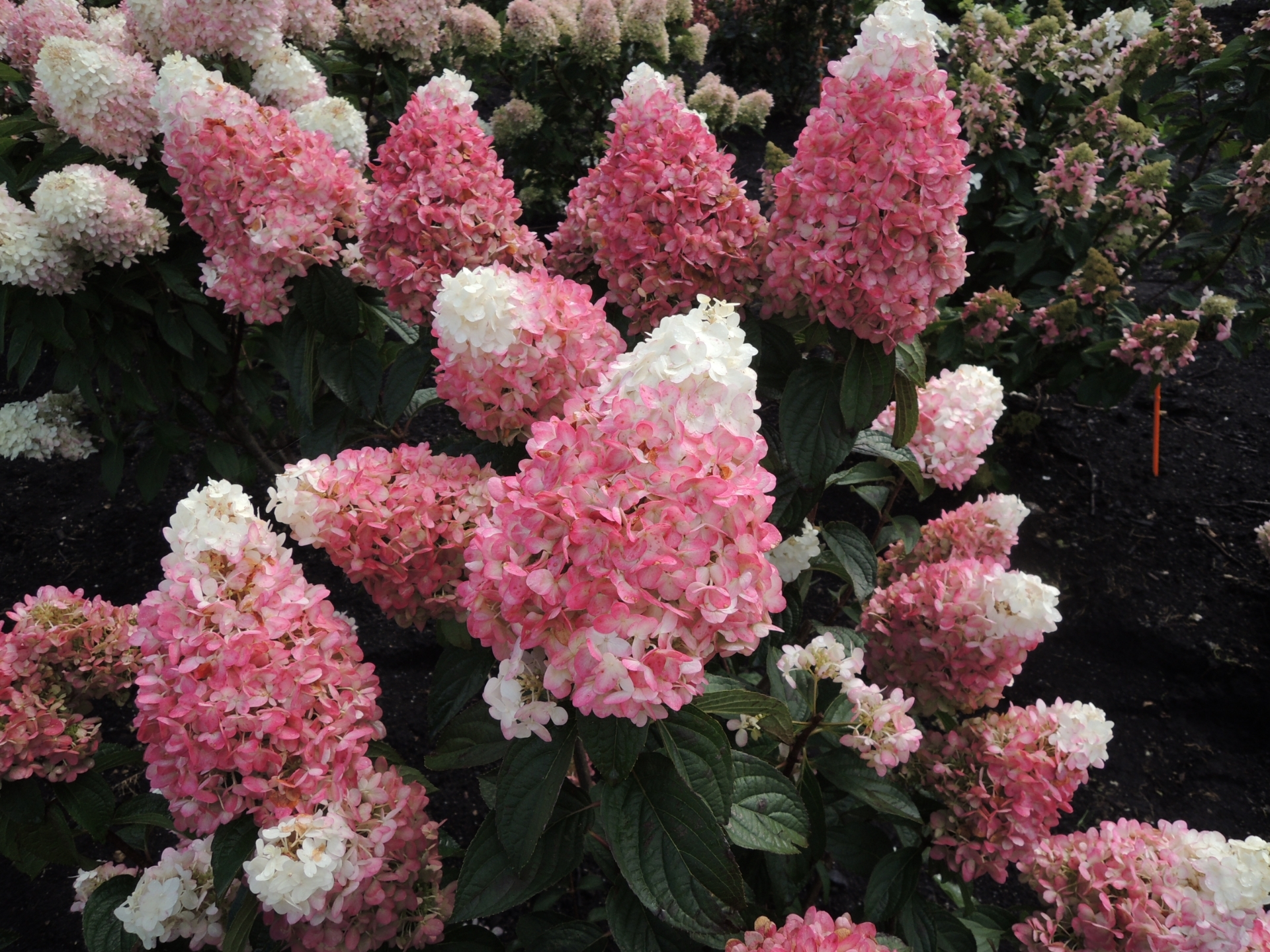
Ruby Snow is a compact panicle hydrangea, reaching 4-5 feet tall and 4 to 5 feet wide, with large cone-shaped flowers held on sturdy stems. Because panicle hydrangeas bloom on new wood, they flower reliably across a wide range of climates and pruning schedules.
Its standout feature is color: creamy white panicles quickly develop deep raspberry-red tones while retaining snowy white caps, creating a striking two-tone effect in the garden and in arrangements.
With its manageable size and strong, straight stems, Ruby Snow is well suited to the middle of the border and makes an excellent cut flower for late summer.
Billowing Asters: Pollinator Magnets
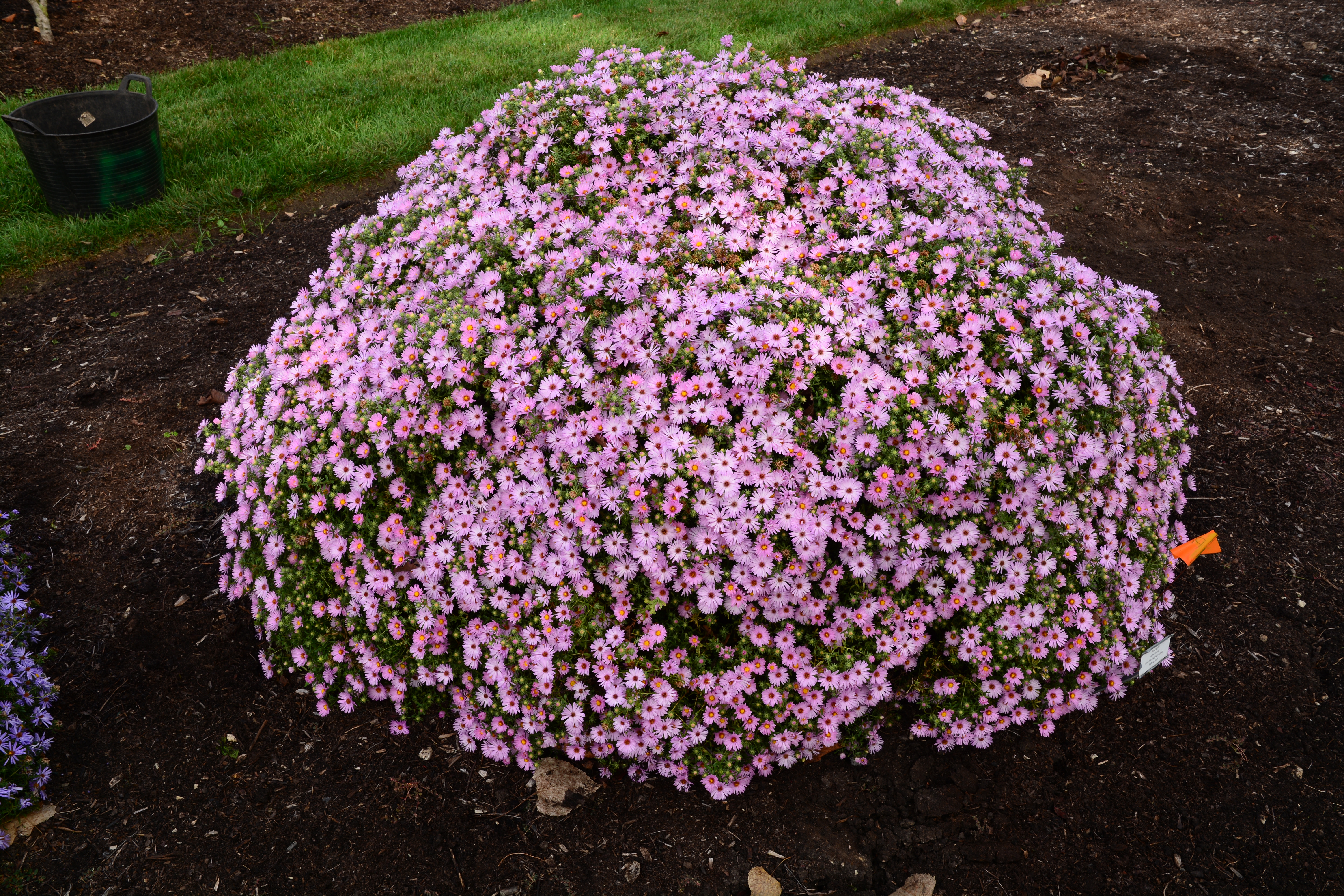
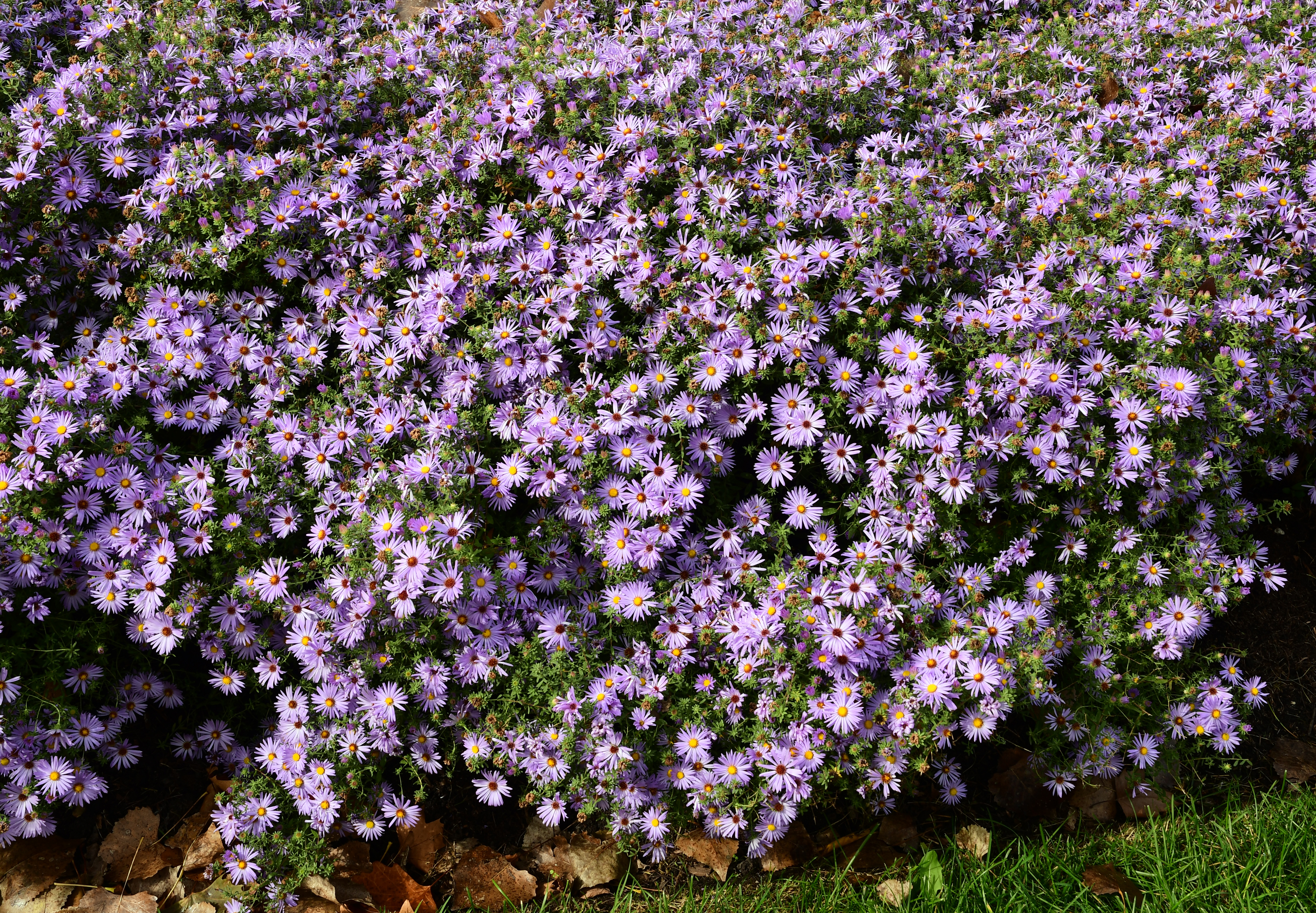
Billowing Pink and Billowing Violet offer tidy, rounded habits without the flopping or lower-stem browning common in many asters. These compact 3-foot mounds of celery-green foliage are covered each year in large daisy-like flowers—violet-blue or rosy pink, each with a yellow center. Their manageable size makes them practical for growers and gardeners alike, while their abundant late-season bloom provides a strong draw for pollinators.
Pro Tip – For a Sterile Joe Pye Weed That Stays Where it Belongs, Try ‘JoJo
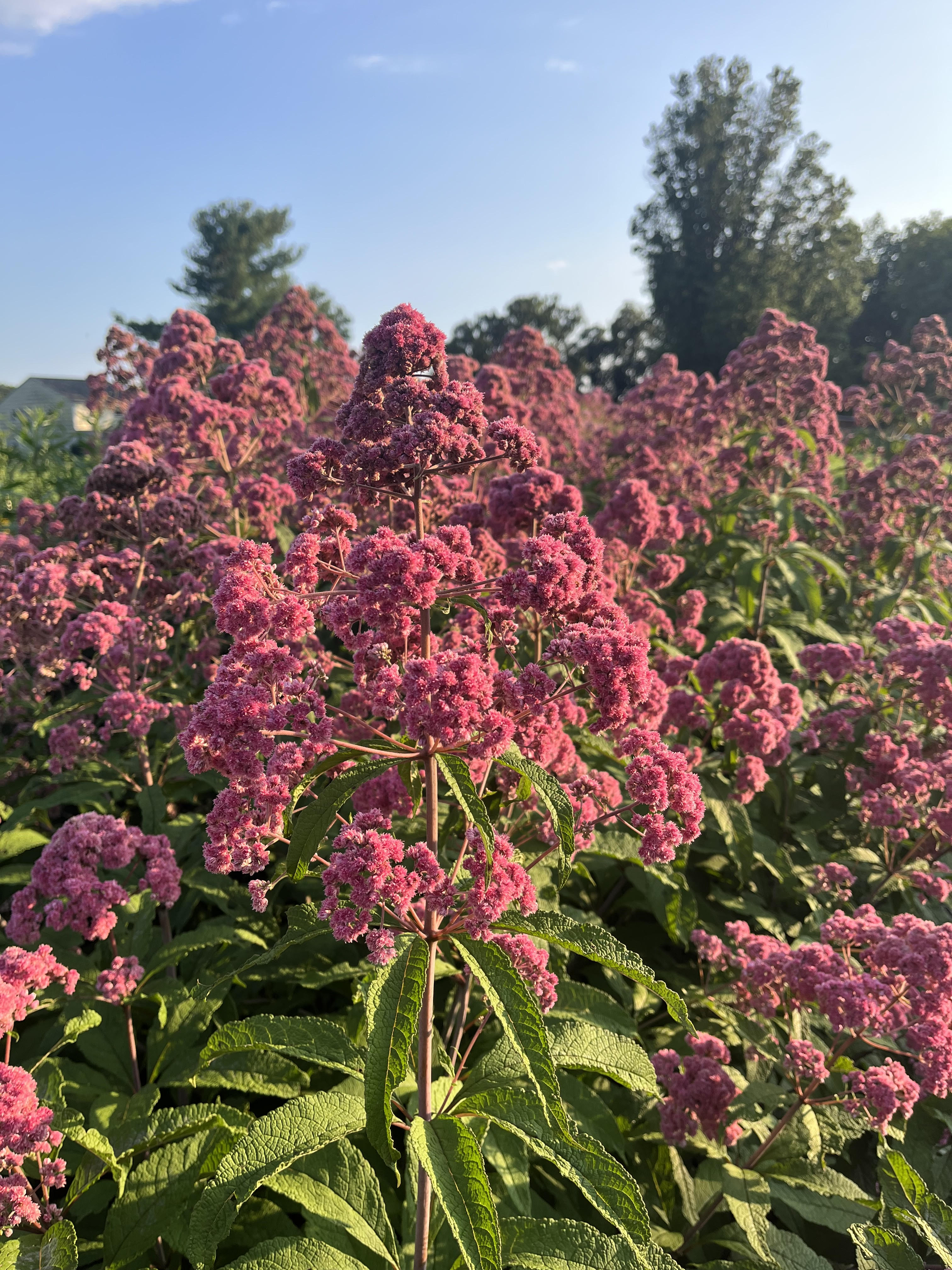
After several years in any garden, it becomes clear which perennials will expand gracefully—and which will seed or spread more aggressively. In the right climate and soil, Joe Pye weed can be a strong garden presence. When I started my northeastern Massachusetts garden, I chose to add a flat of 50 Little Joe eupatorium. And while I love and named that compact selection, it has very fertile seed, and it has proceeded to spread everywhere.
I have developed a love-hate relationship with the seedlings. Love it when they seed into tough garden spaces, but truly hate it when they plop right in the front of the border or even worse, smack-dab into the middle of another perennial or shrub.
Enter ‘JoJo’...
‘JoJo’ was discovered by our friend and native plant nurseryman John Mark Courtney and the team at Kind Earth Growers. While growing native plants from seed, they identified a distinctive selection with chalky gray stems and fluffy, sterile flowers.
Its sterile pink flowers resemble ageratum when fully open but do not set seed, reducing the likelihood of unwanted seedlings throughout the garden.
Beyond its sterile flowers, ‘JoJo’ brings strong ornamental value: long-lasting pink blooms, sturdy chalky purple-gray stems, and an upright 5 to 6 foot habit that resists flopping. While the sterile flowers offer limited nectar or pollen, the foliage still supports early-summer caterpillars, allowing the plant to contribute to the garden food web in a different way.
Learn more about JoJo HERE.